Walk into a well-run IV therapy clinic on a weekday morning and you will notice a particular quiet energy. A nurse wheels a mobile IV stand toward a reclining chair, confirms the client’s name and allergies, and starts a small catheter in a forearm vein with the same steady hands used in hospitals. A clear bag labeled with vitamins and electrolytes begins to drip, regulated by a roller clamp. Over the next 30 to 60 minutes, the fluid bypasses the digestive tract and enters the bloodstream directly. Some clients are recovering from a long flight and asking for hydration IV therapy. Others are training for a marathon and want a recovery iv infusion. A third has a physician’s note for iron, a classic example of medical iv therapy. The delivery method is the same, but the intent ranges from strictly therapeutic to wellness support.
That dual identity is what makes intravenous therapy both compelling and, at times, confusing. The term iv therapy covers several practices: hospital-based infusions for conditions like dehydration or chemotherapy, and wellness iv therapy aimed at hydration, nutrient repletion, or symptomatic relief. Understanding how iv infusion therapy works, what it can and cannot do, and when it makes sense, helps you make better choices about your health.
What makes IV therapy unique
Swallow a tablet and much of the dose is lost to digestion and first-pass metabolism in the liver. IV infusion treatment removes those barriers. With an intravenous drip treatment, fluids, electrolytes, and selected nutrients reach the bloodstream at known concentrations, then distribute to tissues quickly. The physics are simple, yet the outcomes can feel dramatic when someone is truly depleted. A two-liter oral rehydration solution might take hours to sip and absorb. A 1-liter iv hydration treatment can restore circulating volume in less than an hour, easing lightheadedness and dry mouth along the way.
The real advantage is control. Clinicians can set the infusion rate, adjust components mid-iv therapy session, and monitor blood pressure and heart rate as the iv fluid therapy runs. When we need a certain serum level to achieve an effect, or we want to avoid gastrointestinal upset from high-dose oral vitamins, an iv vitamin infusion can be the more direct route.
This is not a magic portal. Cells still regulate what they take in, and more is not always better. But for targeted goals like rehydration, rapid correction of documented deficiencies, or delivering medications that cannot be taken orally, intravenous therapy is an established tool.

How an IV therapy session actually works
A good iv therapy clinic follows medical-grade steps, even for wellness visits. Expect an intake, a review of medications, a brief exam, and consent. Nurse administered iv therapy should include a quick screen for vein quality and infection risk, and a plan for what happens if you feel faint or uncomfortable.
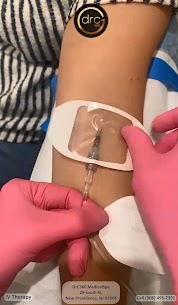
The iv therapy procedure follows a predictable arc. The nurse starts a small peripheral IV, usually a 20 to 24 gauge catheter, and flushes it with saline to confirm patency. The bag, often 500 to 1000 milliliters of normal saline or lactated Ringer’s, is hung on an iv infusion service pole and connected to the tubing. If you have ordered vitamin iv therapy, the additives are mixed according to a protocol specific to the clinic and your profile, then double-checked. A basic iv hydration service might include sodium, chloride, potassium, and a B-complex. If you selected energy iv infusion, you might see additional B12 or carnitine. Immune boost iv therapy often includes vitamin C and zinc. Each component has a usual range, and reputable services document doses and batch numbers.
During the iv therapy treatment, staff should monitor you at intervals. You may feel a cool sensation in your arm as the fluids enter, and sometimes a metallic taste with certain minerals. Most infusions last 30 to 60 minutes, although high-dose vitamin C or iron can take longer. Afterward, the catheter is removed, the site is bandaged, and you are advised to hydrate orally and avoid heavy lifting with that arm for a few hours.
From a workflow point of view, same day iv therapy is possible when the clinic maintains sterile supplies and trained staff. Mobile iv therapy and home iv therapy add convenience for travelers or busy professionals, but they increase the importance of protocols for storage, aseptic technique, and emergency response.
The menu: what is in the bag
The base fluid is either normal saline or lactated Ringer’s. Normal saline is 0.9 percent sodium chloride. Lactated Ringer’s includes sodium, potassium, calcium, and lactate, the latter metabolized to bicarbonate, which can be gentler for certain patients. For iv therapy near New Providence strict dehydration, either works. When metabolic acidosis or large-volume resuscitation enters the picture, lactated Ringer’s has advantages, something more relevant in emergency and inpatient care than in wellness settings.
Add-ons for vitamin drip treatment vary, and the variability is part of the challenge. Common elements include B-complex vitamins for energy metabolism, vitamin C for antioxidant support, magnesium for muscle relaxation or migraines, and trace minerals like zinc. Some clinics offer glutathione as a slow push after the drip for skin health and recovery iv infusion claims. Evidence for glutathione’s topical effects is mixed, and it can cause a sulfur taste. NAD+ appears in premium iv therapy menus as a cellular energy booster, but infusions often take hours and can cause chest tightness if run too fast. In a medical setting, iron, antibiotics, or steroids can be delivered intravenously for clear indications with established dosing.
The key is matching ingredients to a goal and a person. That is where personalized iv therapy earns its name. A client with migraine might benefit from magnesium sulfate and fluids, especially if vomiting led to dehydration. An athlete after a half marathon may want balanced electrolytes and B vitamins, but should avoid excessive glucose unless needed for recovery. Someone with documented B12 deficiency, confirmed via labs, may respond far better to a series of intramuscular or intravenous doses than to oral pills, at least initially.
Conditions and goals where IV therapy fits
Dehydration is the clearest case. IV therapy for dehydration restores intravascular volume fast. Think of stomach flu with vomiting, food poisoning after travel, or a heat-related episode. The same logic applies to iv therapy for hangover, though a hangover is not a medical emergency. Alcohol causes diuresis, electrolyte shifts, and inflammation. An iv hydration treatment with antiemetics, when appropriate, and electrolytes can help a miserable person recover quicker, but it will not neutralize acetaldehyde or undo sleep deprivation. Expect symptom relief, not time travel.
IV therapy for migraines straddles wellness and medical care. In urgent care, a migraine cocktail often includes fluids, magnesium, anti-nausea medication, and sometimes NSAIDs. Relief rates are meaningful, particularly when nausea prevents oral medication. For recurring migraines, the goal is a broader plan, not just rescue drips.
IV therapy for recovery after illness shows value when appetite and intake lag. Post-viral fatigue, especially after influenza or COVID-19, can leave people undernourished. A balanced iv nutrient infusion can bridge a rough patch while you rebuild with food. IV therapy for vitamin deficiency is appropriate when absorption is impaired, as with pernicious anemia or after bariatric surgery. Those are medical iv infusion use cases, best managed by a physician.
Athletes have a nuanced relationship with infusions. IV therapy for athletes and performance iv infusion can replenish fluids after extreme exertion, but anti-doping agencies restrict large-volume infusions except in specific circumstances. For recreational athletes, a moderate hydration iv infusion with electrolytes can aid recovery, yet the bigger levers remain training, sleep, and nutrition. Routine pre-race iv therapy before workout is rarely necessary if you are well hydrated and fueled. Post-event iv therapy after workout makes sense if you could not keep fluids down or have signs of significant dehydration.
Immune support is another frequent request. IV therapy for immunity or for cold and flu typically involves vitamin C and zinc. Vitamin C has supportive data in severe infections when given in high doses in ICUs, but those situations do not translate directly to wellness iv infusion clinics. For a garden-variety viral cold, fluids and rest are your foundation. An immune iv infusion may help with hydration and can be reasonable if you tolerate vitamin C well, but set expectations accordingly.
Beauty and skin health claims deserve careful language. IV therapy for skin health or for skin glow often rides on anecdote. Hydration can plump skin temporarily, and correcting a deficiency can improve hair or nails over weeks, not hours. If a clinic promises anti aging iv infusion results that rival retinoids, sunscreen, and consistent skincare, take a step back. IV therapy for anti aging is a broad umbrella. Some micronutrients support collagen cross-linking and antioxidant defenses, but those pathways also respond to diet and topical care.
Fatigue is the most complex request. IV therapy for fatigue may help when the cause is dehydration, anemia, micronutrient deficiency, or intense training without recovery. When fatigue stems from depression, thyroid imbalance, sleep apnea, or chronic infection, an energy iv therapy bag is not a fix. Use fatigue as a prompt for a workup. If labs show iron deficiency, low B12, or low vitamin D, correct the root. IV therapy for chronic fatigue has mixed evidence. Some individuals report benefit from magnesium and B vitamins, but outcomes vary and multi-pronged care works best.
Safety, supervision, and smart boundaries
The safety profile of iv therapy depends on three variables: ingredients, technique, and the person in the chair. Complications are uncommon in skilled hands but not zero. Local issues include bruising, infiltration, phlebitis, and infection at the insertion site. Systemic reactions range from flushing with magnesium to allergic responses to additives. Fluid overload is rare in otherwise healthy adults receiving moderate volumes, but it is a realistic risk for people with heart failure, kidney disease, or uncontrolled hypertension. That is why doctor supervised iv therapy matters for higher-risk clients and why certified iv therapy providers ask about your medical history.
Dose matters. Vitamin C at 1 to 5 grams is common in wellness settings. Higher doses require G6PD testing to avoid hemolysis. Magnesium must be infused at a controlled rate to minimize hypotension or flushing. Iron infusions demand test dosing and emergency readiness for hypersensitivity. When clinics skip these safeguards, risk rises.
Technique is its own safety net. Alcohol prep, hand hygiene, sterile tubing, and single-use vials are non-negotiable. Reputable services document lot numbers and expiration dates, label every bag, and chart vital signs. Nurse administered iv therapy with protocols and physician oversight beats a casual operation with pretty chairs and scented candles.
What it feels like, based on real cases
Three brief vignettes reflect the range of outcomes. A 28-year-old trail runner finished a hot 20-mile training run, then vomited twice. At the clinic, pulse was 104, blood pressure 98/62, mucous membranes dry. She could sip but not keep much down. A 1-liter lactated Ringer’s iv hydration infusion with 10 mEq potassium and a small dose of ondansetron brought her pulse to 82 and blood pressure to 112/70 within 45 minutes. She felt steady enough to eat. That is iv rehydration therapy at its best, simple and effective.
A 43-year-old consultant with a red-eye flight and heavy client dinner walked in for an iv drip treatment billed as detox. He looked tired, slightly puffy, with a mild headache. The clinic ran 500 milliliters of saline with B-complex, magnesium, and vitamin C. He left reporting clear-headedness. Was it the magnesium easing muscle tension, the hydration, or the quiet hour in a dark chair? Likely a mix. He could have reached a similar state with oral fluids, electrolytes, and a nap, just not as quickly.
A 62-year-old woman with documented pernicious anemia had tried high-dose oral B12 without success. Her physician coordinated a series of intramuscular B12 injections and occasional iv vitamin infusion during severe fatigue phases. Within weeks, hemoglobin improved and neuropathy symptoms eased. Here, medical iv therapy addressed a real absorption problem.
Costs, pricing, and how to judge value
IV therapy price ranges widely. In most cities, a basic iv hydration service runs 100 to 200 dollars. Additions like vitamin C, magnesium, or glutathione can push the iv therapy cost to 150 to 300 dollars. High-dose specialty blends or NAD+ infusions can climb to 400 to 700 dollars, partly due to time and monitoring. Insurance rarely covers wellness iv infusion. Medical iv infusion for iron, antibiotics, or chemotherapy occurs in a different billing landscape, often through hospitals or infusion centers with insurance coding.
Value depends on urgency and alternatives. If you are nauseated and lightheaded, and oral intake is failing, a 60-minute iv hydration treatment can save a day of misery or a trip to urgent care. If you are well, hydrated, and seeking a quarterly beauty iv infusion for glow, ask what outcome you expect and for how long. Nutrient-dense meals, regular sleep, and topical retinoids often deliver more reliable long-term results for a fraction of the cost.
Transparent clinics explain iv therapy benefits and limits, disclose ingredients with exact doses, and discuss potential side effects. They will tell you when a therapy is unnecessary. If a clinic hard-sells monthly memberships without tailoring or ignores your medications, consider that a red flag.
Evidence, marketing, and the gray zones
The evidence base for intravenous drip treatment spans rock-solid to evolving. Rehydration for dehydration is a core medical practice. Intravenous iron for iron deficiency anemia when oral iron fails is standard. IV antibiotics and chemotherapy are not up for debate. On the wellness side, vitamin infusion therapy research is thinner and heterogeneous. Small studies support magnesium for migraines and certain arrhythmias. Vitamin C has roles in wound healing and, at high doses in controlled settings, as an adjunct in severe infections and some oncology protocols, though that is specialized care. For general wellness iv therapy, controlled trials are sparse, and placebo effects play a role.
This does not invalidate lived experiences. If someone regularly gets sick after long-haul flights and finds that an immune iv infusion plus sleep and nutrition keeps them on track, that is a practical outcome. Just separate what is physiologically likely from what is cleverly marketed. Phrases like detox iv infusion sound appealing, but detoxification is primarily the work of your liver, kidneys, lungs, and skin. Hydration and micronutrients support those organs, yet they do not act like drain cleaner. Better to call it recovery iv infusion when the goal is to feel functional after strain.
Customization without excess
Customization can improve relevance, but more additives do not equate to better results. A thoughtful custom iv therapy plan starts with your goals and constraints. Training for an event next month and struggling with muscle cramps? Emphasize fluids and electrolytes, consider magnesium if labs or symptoms suggest low levels. Recovering from a viral illness and not eating well? Focus on fluids, B-complex, and modest vitamin C. Sensitive stomach? Avoid additives linked to nausea. On medications that prolong QT interval? Be cautious with certain antiemetics or electrolyte shifts.
A brief pre-infusion checklist keeps customization grounded.
- Clarify the primary goal, such as hydration, migraine relief, post-travel recovery, or documented deficiency. Review recent labs, medical conditions, allergies, and current medications. Select a base fluid and only the additives that match the goal, at conservative starting doses. Set a realistic timeline for effect and discuss expected sensations during the iv infusion treatment. Plan follow-up, including when to escalate to medical care if symptoms persist or worsen.
Notice that most of these steps focus on context, not the menu. Personalized iv therapy earns its name when it trims extras, not when it adds everything available.
Who should skip or modify IV therapy
Certain situations call for caution or deferral. If you have heart failure, advanced kidney disease, uncontrolled hypertension, or significant edema, large-volume iv hydration therapy can be risky. If you are pregnant, ingredients like high-dose vitamin A are off-limits, and any additives should be reviewed by your obstetric provider. Glucose-6-phosphate dehydrogenase deficiency contraindicates high-dose vitamin C. Sulfite sensitivity can be relevant with certain preservatives. For those on anticoagulants, bruising at the site is more likely, though manageable with pressure and small-gauge catheters.
Active infection at a potential IV site, a history of severe reactions to infusions, or lack of access to trained staff are reasons to postpone. Children require pediatric protocols and dosing, preferably in a pediatric-friendly setting. Anxiety around needles is common. Discuss topical anesthetics or guided breathing. Some clinics offer private iv therapy rooms for privacy, which can help.
What to expect after the drip
The most common immediate effect is thirst resolution and improved mental clarity, a combination of restored volume and a quiet hour off devices. If magnesium was part of the infusion, muscle relaxation or warmth is typical. If B vitamins were included, some notice a mild energy lift over the next day. Urine may appear brighter yellow due to riboflavin. Minor site soreness is normal for a day. Bruising resolves over a few days. Redness, increasing pain, streaking, or swelling could signal phlebitis or infection, and deserves a call to the clinic.
Sustained results depend on your habits. IV vitamin drip treatments can fill a gap, not replace nutrition. If stress, poor sleep, or overtraining drove you to an iv drip service, use the reset to adjust your schedule, not just your serum levels.
Practical scenarios and how I advise
Someone calls to book iv therapy two days before a destination wedding after a week of long shifts. I ask about sleep, hydration, caffeine use, and any history of fainting with blood draws. If they tolerate fluids orally and have no medical red flags, a 500 milliliter hydration iv infusion with B-complex and a modest dose of vitamin C can help them feel fresher, provided they also plan an early night. I discourage stacking every add-on. The goal is to arrive rested, not wired.
A triathlete asks for pre-race iv therapy for performance. I explain that for most, strong pre-race hydration and electrolytes taken orally, matched to sweat rate, beat an IV. If they suffered vomiting after a prior heat race and could not keep fluids down, we discuss a post-race recovery iv infusion as a contingency, not a ritual.
A patient with frequent winter colds wants preventive iv therapy monthly. We review vitamin D status, sleep, and stress. If they still prefer a wellness iv infusion during high-risk periods, I narrow the formula to fluids, vitamin C in a moderate dose, and zinc while avoiding cumulative high doses that upset the stomach or interact with medications.
Choosing a clinic and setting up your first appointment
The best iv infusion service combines clinical standards with clear communication. Ask who formulates protocols and supervises care. Look for doctor supervised iv therapy for higher-risk offerings and nurse administered iv therapy for day-to-day operations. Confirm that they use single-use supplies, track lot numbers, and can manage an allergic reaction. Transparent iv therapy price sheets with itemized ingredients are a positive sign. A good iv therapy consultation includes time for questions and a frank discussion of what to expect.
Booking is straightforward. You schedule iv therapy by phone or online, answer a brief medical questionnaire, and secure a time. Same day iv therapy slots often exist for morning sickness, food poisoning, or hangovers. Mobile services can meet you at home or a hotel, which works well for families down with a stomach bug. For privacy, some clinics offer a private room. Plan a light snack beforehand if you can, wear layers, and bring something to read. Most iv therapy procedures run under an hour.
The bottom line for wellness seekers
IV therapy is a delivery method, not a lifestyle. Used thoughtfully, it can correct dehydration fast, deliver nutrients when the gut will not cooperate, and provide relief for specific symptoms like migraines or post-illness fatigue. It can provide a timely health boost, but it is not a shortcut past sleep, diet, movement, and stress management. The most consistent iv therapy benefits appear when you match the infusion to a defined need, at appropriate doses, with trained clinicians watching the details.
If you decide to try it, start with clear goals, a conservative formula, and a reputable iv therapy clinic. Notice how you feel over 24 to 48 hours rather than chasing instant fireworks. Use the experience to learn about your body’s responses. And remember that the quiet hour in the chair, away from the swirl, often does as much good as the drip itself.